Securing the Sterile Boundary: Protecting SUT Bag Integrity
In biopharmaceutical manufacturing, the "Sterile Boundary" is the most critical asset in the facility. While single-use technology (SUT) has revolutionized manufacturing agility, it has also introduced a new set of physical vulnerabilities. At BagBox, we believe that while the bag is the science, the tote is the security.
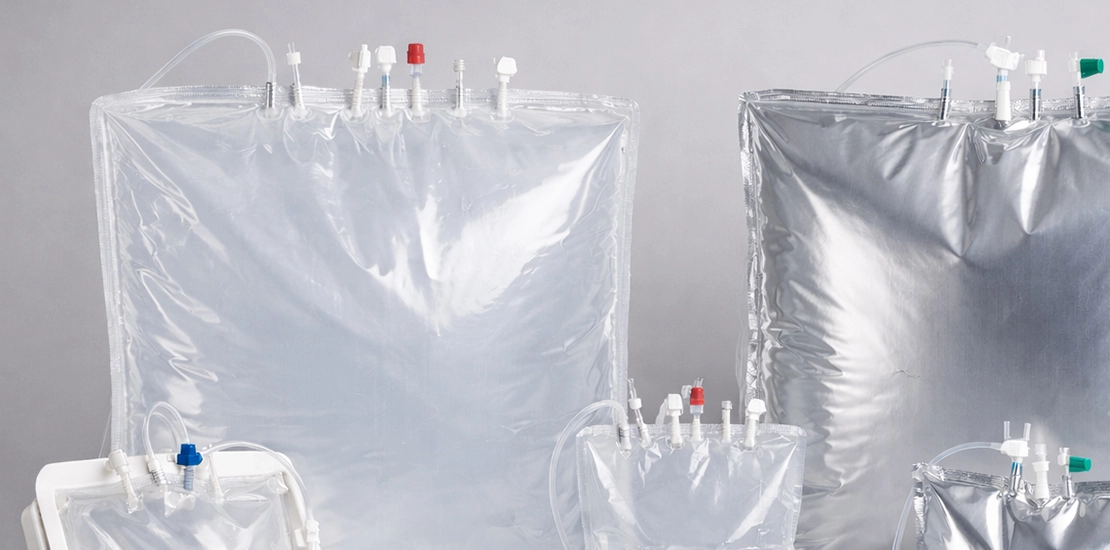
In biopharmaceutical manufacturing, the "Sterile Boundary" is the most critical asset in the facility. While single-use technology (SUT) has revolutionized manufacturing agility, it has also introduced a new set of physical vulnerabilities. At BagBox, we believe that while the bag is the science, the tote is the security.
A single handling error, a snagged tube, or a misaligned port can lead to catastrophic batch loss and months of regulatory scrutiny. Protecting this boundary requires more than just a high-quality bag; it requires a specialized execution infrastructure designed to manage the real-world physics of the cleanroom floor.
1. Managing Fluid Mass and Port Alignment
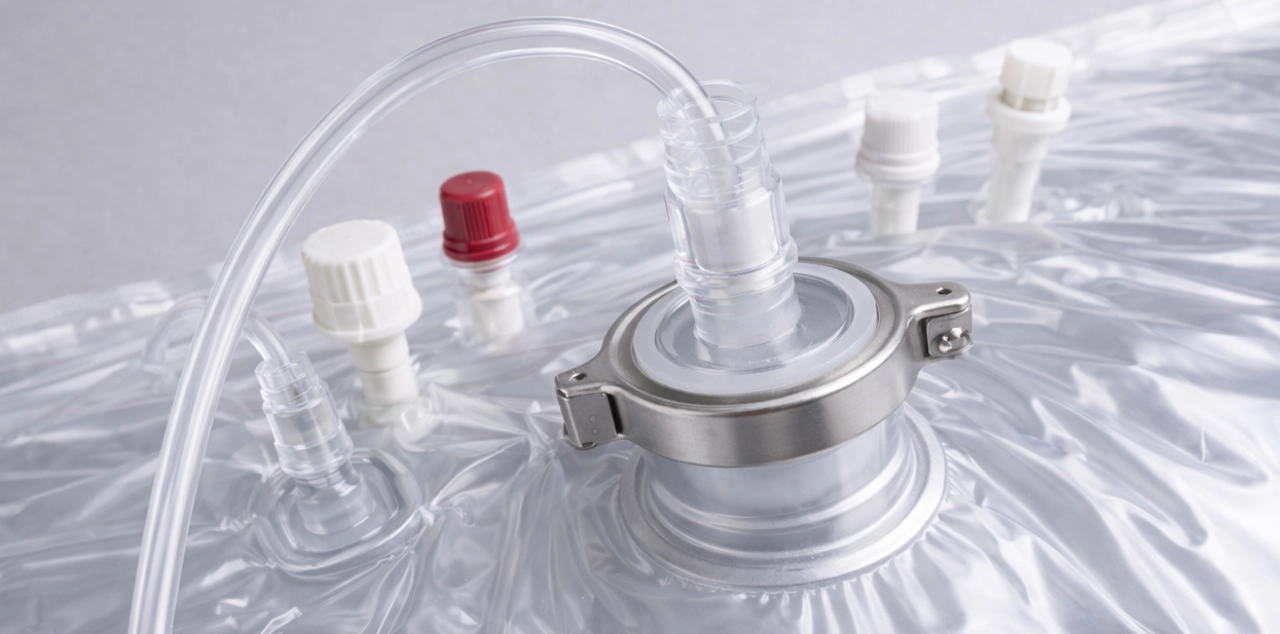
The most significant risk to an SUT bag occurs during the transition from empty to full. As hundreds of liters of fluid enter the system, the bag undergoes immense mechanical stress. Without a precision-engineered stabilization layer, "bag slump" occurs, causing ports to shift and putting extreme tension on tubing connections.
Our infrastructure is designed to counteract these forces. By providing precision-aligned exit points and dropdown access doors, we ensure that every connection remains in a "neutral stress state." This rigid support structure matches the bag’s geometry exactly, ensuring that weight is distributed evenly and ports remain in perfect alignment throughout the fill, hold, and drain cycles.
2. Eliminating Material Fatigue: Folds and Creases
When a single-use liner is filled, "interstitial stress" occurs if the bag is not perfectly matched to the host geometry. Folds and creases in the plastic film are not just aesthetic issues; they are localized points of material fatigue. Under the weight of a 500L or 1000L load, these creases can become the site of a "pinhole" leak.
BagBox infrastructure is engineered with radiused internal corners and optimized base-to-wall ratios. This encourages the bag to expand uniformly, eliminating the friction points and creases that compromise long-term sterile hold.
3. Transport Security and Dynamic Stability
Movement is where risk is highest. Transporting a filled bioprocess tote through a facility exposes the fluid path to vibration, "slosh" forces, and impact. Traditional open-top carriers offer no protection against environmental contaminants or accidental tube disconnection during transit.
Our thermoplastic totes provide natural vibration dampening that stainless steel cannot match. This material property, combined with features such as lockable, tamper-evident lids and integrated tube-routing channels, stabilizes the liquid mass. By shielding the bag within a secondary containment shell, you mitigate the risk of accidental puncture and ensure that the fluid remains as pure as the moment it was filled.
4. Standardizing the Physical Interface
In a multi-vendor facility, operators often deal with a variety of bag brands and port configurations. This lack of standardization is a primary driver of operator error. When the physical handling interface is inconsistent, the risk of misconnection or improper loading increases.
By implementing an agnostic infrastructure layer, facilities can standardize their handling protocols regardless of which bag vendor is being used. This consistency reduces the training burden on staff and creates a repeatable, validated workflow that minimizes the human element of risk in bioprocess fluid handling.
The Value of Prevention
In biopharma, the cost of a single failed batch far outweighs the investment in high-quality carriers. Moving from a "commodity container" mindset to a "risk mitigation" strategy is the hallmark of a high-reliability facility. Infrastructure should not just be a box to hold a bag; it should be an active, validated component of your process security.
Protect Your Process Workflow Our engineering team specializes in identifying handling risks and designing bespoke stabilization layers for unique SUT bag configurations. Request a Technical Consultation