Maximizing Cleanroom ROI: The Role of Engineered Infrastructure
In the modern biopharma landscape, the cleanroom footprint is arguably the most expensive asset on the balance sheet. Every square meter represents significant capital expenditure and ongoing operational costs. For CDMOs and high-throughput manufacturers, "Operational Agility" is no longer just about the science; it is about the speed and efficiency of fluid logistics without compromising safety or footprint.
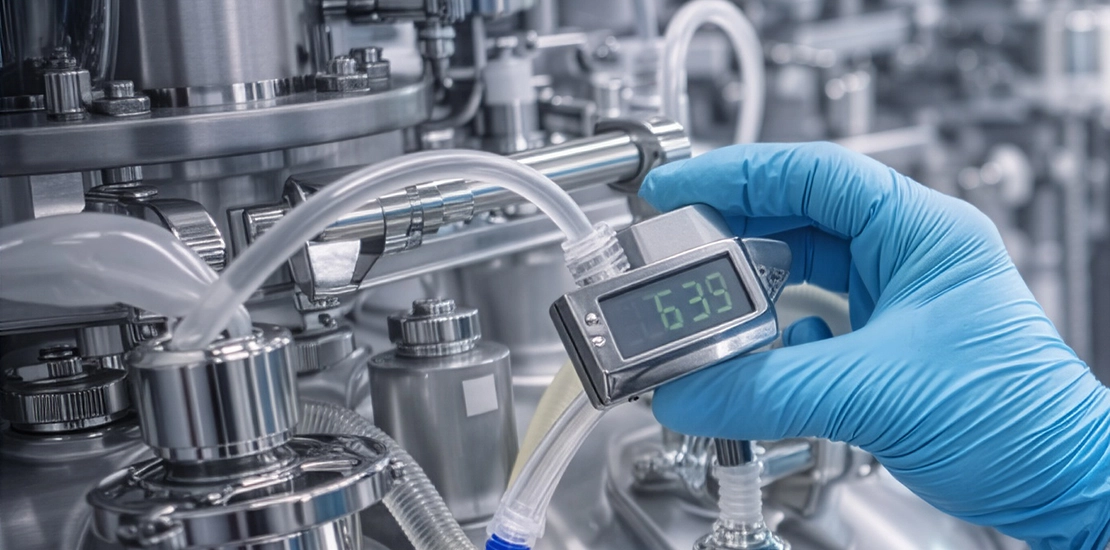
In the modern biopharma landscape, the cleanroom footprint is arguably the most expensive asset on the balance sheet. Every square meter represents significant capital expenditure and ongoing operational costs. For CDMOs and high-throughput manufacturers, "Operational Agility" is no longer just about the science; it is about the speed and efficiency of fluid logistics without compromising safety or footprint.
Furthermore, ROI is no longer measured solely in throughput. Modern facilities are now evaluated on their Environmental, Social, and Governance (ESG) impact. Transitioning from legacy stainless steel to engineered thermoplastic infrastructure provides a significant, quantifiable reduction in a facility’s environmental footprint while simultaneously driving financial performance.
1. Reclaiming the Floor: Logistical Density
Legacy fluid handling systems, such as stainless steel containers, are often rigid, "static" obstacles. They occupy the same square footage whether they are full, empty, or awaiting a cleaning cycle. In facilities running multi-product lines where space is at a premium, this inefficiency compounds.
Engineered thermoplastic infrastructure prioritizes "logistical density." By utilizing nestable and stackable designs, facilities can reclaim up to 70% of their storage footprint when units are not in use. This allows for a leaner cleanroom environment, reducing clutter and improving the "5S" organization required for stringent GMP compliance.
2. Operational Velocity: The Plug-and-Play Model
In the CDMO world, the time between "last-out" of Batch A and "first-in" of Batch B is the primary metric of success. Any delay in resetting a suite directly impacts revenue. Traditional containers require complex logistics to move heavy units and often demand extensive cleaning validation (CIP/SIP).
By treating the tote as modular infrastructure, facilities move toward a "plug-and-play" model. Lightweight, highly mobile carriers allow operators to reconfigure a suite in minutes. Because thermoplastic is inherently easier to sanitize and requires no cleaning validation when used with a single-use bag system, the path to the next batch is significantly shortened.
3. Sustainability and the ESG Mandate: Beyond the Balance Sheet
The shift to engineered thermoplastic provides a significant, quantifiable reduction in a facility’s environmental footprint, aligning operational goals with the corporate ESG mandate.
Reduction in Water and Chemical Waste: The "hidden cost" of stainless steel is the massive volume of water and harsh chemicals (such as phosphoric acid or sodium hydroxide) required for CIP/SIP cycles. Thermoplastic totes eliminate the need for these resource-intensive validation cycles, significantly reducing the facility’s wastewater treatment burden.
Energy Efficiency in Logistics: Weight is a direct correlate of energy consumption. At approximately 60% lighter than traditional steel units, BagBox infrastructure requires significantly less energy for suite-to-suite transport. For large-scale operations, this "logistical lightness" contributes to a lower overall Scope 2 and Scope 3 emissions profile.
Circular Economy and Lifecycle: Unlike stainless steel, which requires energy-intensive smelting, high-performance Polypropylene (PP) is 100% recyclable. Our materials are resistant to "rouging" and corrosion, ensuring an exceptionally long operational lifespan and reducing the manufacturing carbon debt associated with infrastructure replacement.
4. Human Factors: Ergonomics as a Performance Driver
Efficiency should never come at the cost of operator safety. Heavy steel containers present significant ergonomic risks during transfer or manual positioning.
Our approach focuses on an improved "power-to-weight ratio." BagBox thermoplastic infrastructure provides the necessary structural rigidity to support 500L to 1000L loads while remaining approximately 60% lighter than metal alternatives. Combined with high-performance casters, this allows a single operator to manage transport with precision, creating a faster, safer environment for cleanroom personnel.
5. Bespoke Speed: The Kings Bromley Advantage
A common bottleneck in facility expansion is the lead time for specialized equipment. Many vendors require months to deliver bespoke carriers tailored to a specific SUT bag or facility height constraint.
BagBox mitigates this risk through our dedicated fabrication hub in Kings Bromley. By maintaining control over the entire engineering and production process, we deliver bespoke execution infrastructure with lead times that align with the rapid pace of facility commissioning. We don’t just provide a catalog; we provide the exact physical interface required for your specific workflow.
Conclusion: From Container to Throughput Tool
When you stop viewing the tote as a simple box and start viewing it as a component of your facility’s throughput, the ROI becomes clear. High-performance infrastructure de-risks the process, protects the product, and maximizes the utility of every square meter of your cleanroom. By integrating ESG considerations into the physical layer of the facility, manufacturers can achieve superior operational agility while meeting the sustainability standards of the modern biopharma era.
Optimize Your Facility Logistics Our engineering team can help you map your fluid handling workflow to identify footprint savings and changeover bottlenecks. Request a Technical Consultation